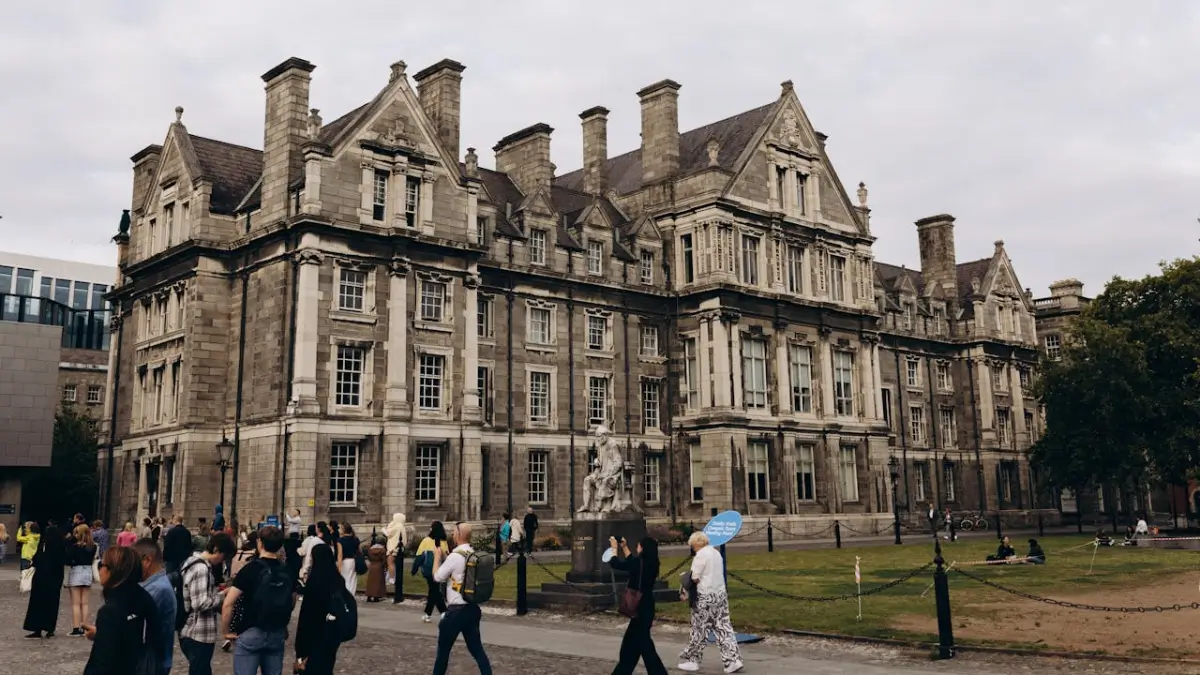
The first day of sixth form is a curious thing. You're not quite an adult, but you're certainly not being treated like a child anymore. The familiar rhythms of secondary school (form time, bells, being told where to be) give way to something altogether more autonomous. For many students, it's exhilarating. For others, it's quietly terrifying.
Having guided hundreds of students through this transition, I can say with confidence: almost everyone feels uncertain on day one. Even the confident ones. Especially the confident ones, sometimes. What matters is arriving prepared: not just with the right folders and pens, but with realistic expectations about what lies ahead.
The Week Before: Practical Preparations
Let's start with the mundane but essential. Private sixth form colleges vary enormously in their dress codes, so check yours carefully. Some maintain strict business dress requirements; others are entirely relaxed. Most fall somewhere in between. "Smart casual" is the usual phrase, though interpretations vary wildly.
When in doubt, err on the formal side for day one. It's far easier to dress down once you've gauged the atmosphere than to feel conspicuously casual when everyone else is in blazers. A safe bet for most colleges: smart trousers or a skirt, a collared shirt or neat top, and sensible shoes. Leave the trainers at home until you know whether they're acceptable.
Gather your materials early. Most colleges provide a list, but typically you'll need:
- A4 ring binders (one per subject, at minimum)
- Lined paper and dividers
- A reliable pen (several, actually)
- A scientific calculator for STEM subjects
- A sturdy bag that won't destroy your back
Some colleges provide laptops or tablets; others expect you to bring your own. Some have moved largely paperless; others remain firmly attached to handwritten notes. Find out in advance and plan accordingly.
The Morning Of: Managing Nerves
Here's something rarely acknowledged: your parents are probably more nervous than you are. They've watched you grow up, and now you're taking this significant step toward independence. If they seem overly fussy that morning, try to be patient. They're processing their own milestone.
Aim to arrive fifteen to twenty minutes early. Not so early that you're awkwardly standing alone, but early enough to find your way around without rushing. Most colleges run induction programmes on the first day, so there'll be clear signage directing new students.
The physical sensations of nervousness (the churning stomach, the slightly shaky hands) are completely normal. They're also temporary. Most students report that their anxiety dropped dramatically within the first hour, once the unfamiliar became familiar and faces began to gain names.
What Actually Happens on Day One
Every college structures their first day differently, but certain elements are near-universal.
Registration and welcome sessions typically begin the day. You'll be given your timetable, student ID, and various administrative information. Pay attention during this bit: it's easy to tune out when nervous, but you'll need to know where the library is, how to access your email, and who to contact if you're unwell.
Tours of the building help orientate you. Even if you visited before enrolling, the college feels different when it's full of students. Note where your classrooms are, where you can eat lunch, and crucially, where the toilets are located.
Initial lessons or taster sessions often happen on day one, though some colleges save teaching for day two. These early lessons are typically gentle: introductions to the course, discussions of what to expect, perhaps some diagnostic exercises to gauge the group's starting point. Teachers know that first-day brains aren't operating at full capacity.
Social time is built in deliberately. Lunch and breaks on the first day feel longer than they actually are. You'll probably be released in groups with other new students, which helps. Everyone's in the same boat, looking for someone to talk to.
Making Connections
The friendship dynamics at sixth form differ from those at secondary school. You're grouped by subject rather than form, so you'll meet different people in each class. This is actually liberating: you're not stuck with the same thirty people for five years.
My advice: be proactive but not pushy. Introduce yourself to the person sitting next to you. Ask someone in your chemistry class if they're also taking physics. Join at least one society or club in the first fortnight, even if you're unsure about it. These early connections often become lasting friendships.
Don't panic if you don't find your tribe immediately. Sixth form friendships typically form more slowly than those made at eleven or twelve. You're all more discerning now, looking for genuine compatibility rather than just proximity. Give it a full term before judging your social situation.
For students joining from a different school, the challenge is greater but not insurmountable. You're not alone: most private sixth forms have significant numbers of external joiners. Some colleges even create separate orientation events for students who are entirely new to the school.
What Parents Should Know
Parents, your role has shifted. You can no longer email teachers about homework or ring to check how a test went. Your child is expected to manage these interactions themselves. This is appropriate and healthy, even if it feels strange.
What you can do: be available. The first few weeks of sixth form involve a lot of emotional processing. Your teenager might want to talk about it; they might not. Creating space for conversation without demanding it is the balance to strike.
Practically, you might need to adjust household routines. Sixth form students often have free periods, which means variable start and end times. Some will use these productively; others will need encouragement to develop good independent study habits. Don't police too heavily, but do stay aware.
The First Week: A Reality Check
The initial intensity fades quickly. By the end of week one, you'll have a mental map of the building. You'll know which classrooms are cold, which vending machines are reliable, and which teacher seems strict but is actually quite kind.
The academic step-up will become apparent. A-Level content is genuinely more demanding than GCSE, and teachers move faster. If you're finding a subject challenging already, speak up early. Private sixth forms typically have excellent support systems, but you need to ask.
You'll probably be exhausted. The combination of mental effort, social performance, and navigating newness is genuinely tiring. Sleep more than you think you need. The adjustment period takes energy.
Looking Ahead
By half-term, sixth form will feel normal. You'll have favourite seats in the common room, know the canteen menu by heart, and feel genuinely connected to your subjects and peers. The nervous anticipation of day one will seem almost quaint.
Until then, remember: everyone around you went through this too. The confident upper-sixth students striding through corridors were once exactly where you are. The teachers remember their own first days at new institutions. You're not expected to have it all figured out immediately.
Take a breath, show up, and trust the process. Sixth form is challenging, but it's also genuinely exciting. These next two years will shape your future in ways you can't yet imagine. Today is simply where it begins.

Jonny Rowse
Education Editor